Signs a chimney needs rebuilding
- The stack leans, or a gap has opened between the chimney and the house
- Bricks near the top move when you push on them
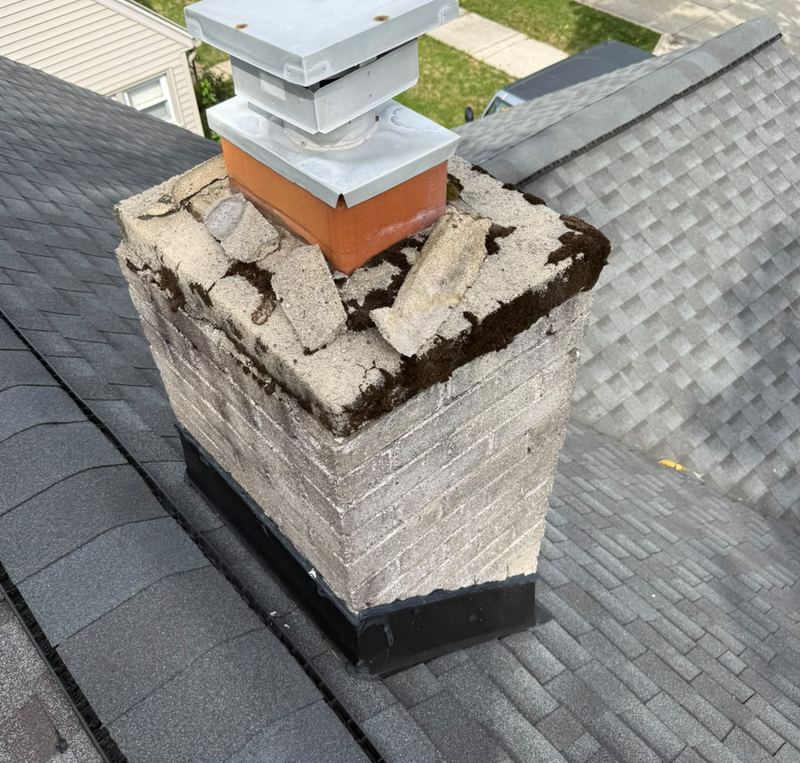
- Pieces of brick or mortar keep turning up on the roof or in the gutters
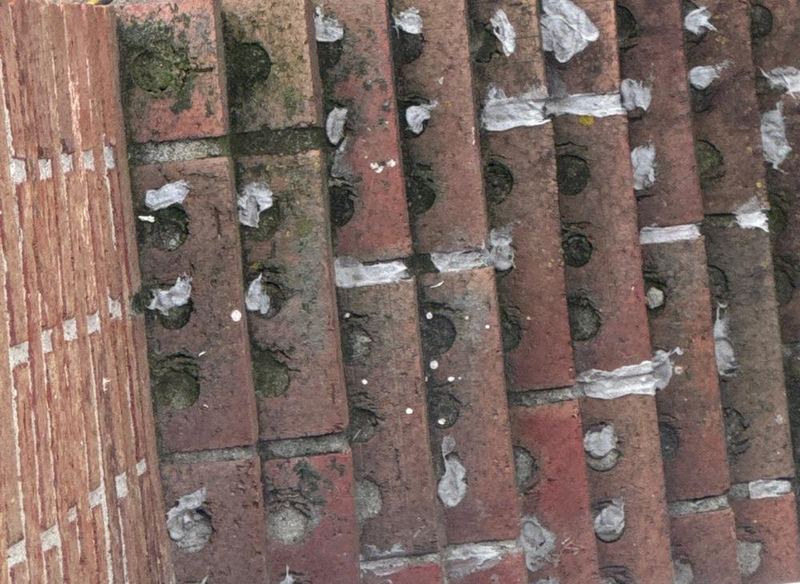
- Cracks run through the bricks themselves, not only the joints
- The crown sits on brick that's coming apart under it
Partial or full
Most rebuilds stop at or above the roofline. If the damage is only in the top courses, we take down just that section. A chimney that's leaning or cracked lower down may need to come down further, and we'll show you why before quoting it.
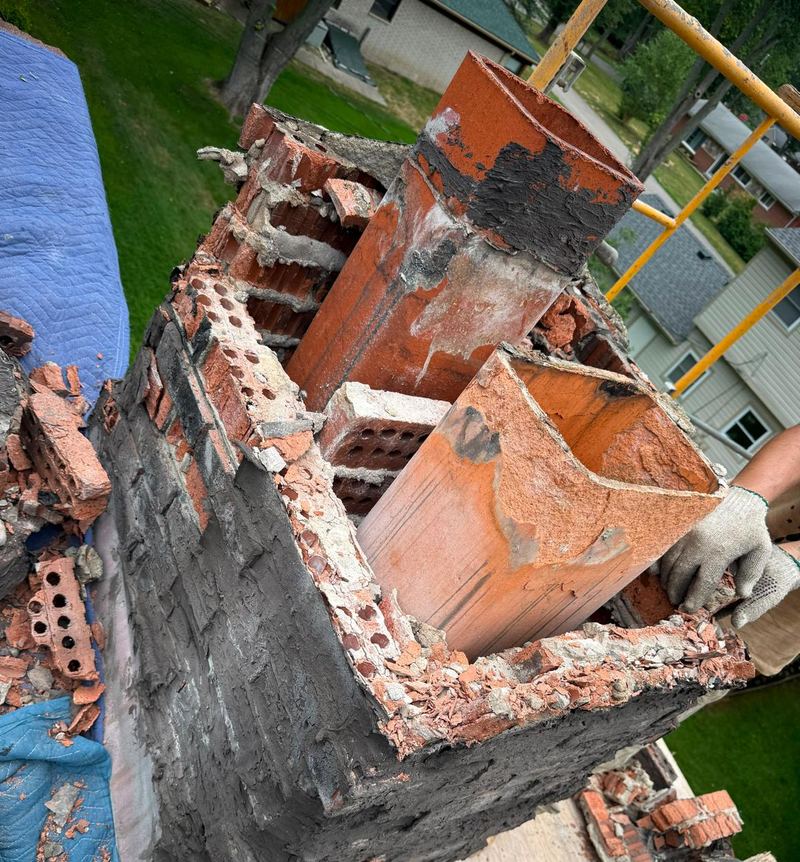
How the job goes
- We measure the chimney, photograph the damage and put the price in writing.
- Scaffolding goes up and the roof around the chimney gets covered.
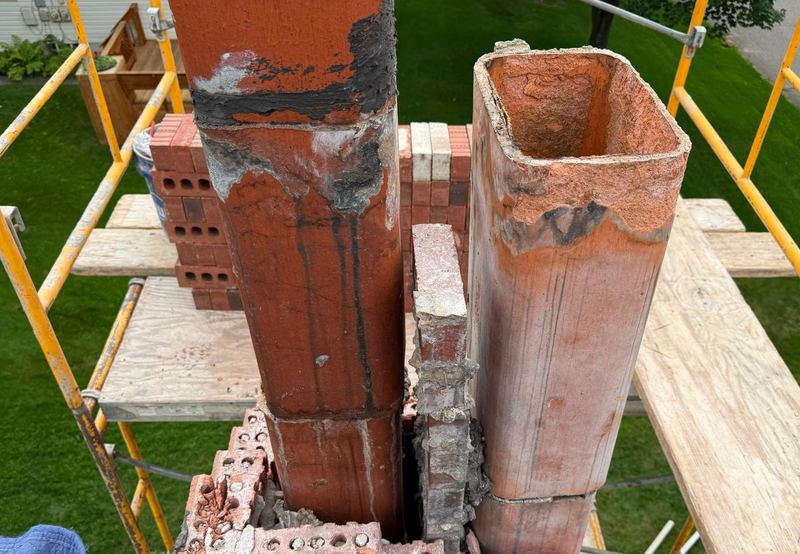
- The brick comes down a course at a time until we reach brick that's still solid.
- New brick and mortar go up, and the flue tiles are reset or replaced.
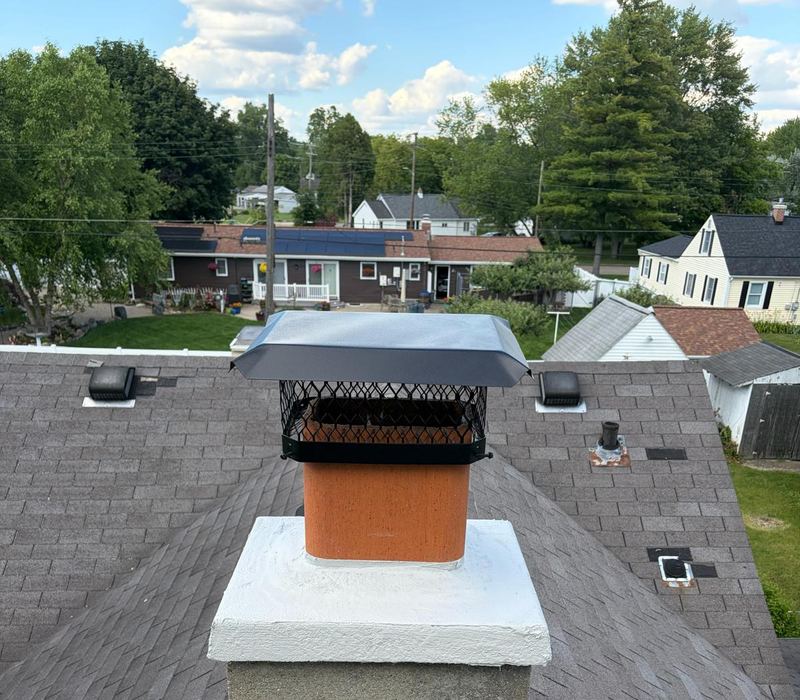
- We pour a new crown, flash the joint between chimney and roof, and fit a cap.
- The debris is hauled away and the roof is cleaned off.
What sets the price
How much of the chimney comes down, how tall it stands above the roof, how many flues run through it, the roof's pitch and the room for scaffolding, and whether the flue tiles can be reused. Matching old brick can also move the number. Each of those items is listed separately on the quote.
Restoration instead
If the chimney is standing straight and most of the brick is sound, it can often be restored without coming down: tuckpointing, new brick where the old has failed, new flashing, a new crown and a cap.